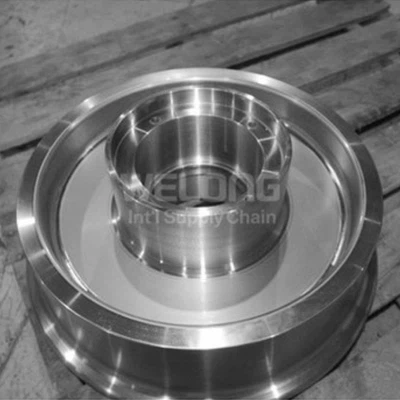

There are 7 types of casting defects caused by improper mold materials. Read on.
1. Cuts and washes
These are areas of excess metal that occur when the molten metal washes away some of the mold sand. When this happens, the sand does not have enough strength to resist erosion. Cuts and washes appear as low protrusions along the surface of the workpiece. They usually slope toward the end where the liquid metal has greater pouring pressure.
• Excess metal in certain areas of the mold.
• High velocity of molten metal causing excess metal to pass through the gate.
• Ensure that the gating system is designed correctly.
• Increase core and mold strength.
• Add more binder to the core sand.
2. fusion
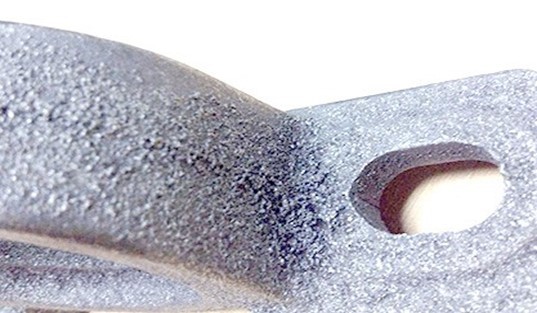
Fusion is another sand casting defect that occurs when the sand particles fuse with the flowing liquid metal. This results in a thin layer of hard glassy shell firmly attached to the casting. The main reason for this defect is the low refractoriness of sand. Due to the low refractoriness of sand, it cannot resist the high temperature of liquid metal. Hence, fusion defect occurs.
• · Low refractoriness of sand or clay.
• Mixing metal with sand particles.
• Too high metal pouring temperature.
• · Improve the refractoriness of the molding material.
• Reduce the pouring temperature of the molten metal.
3.R
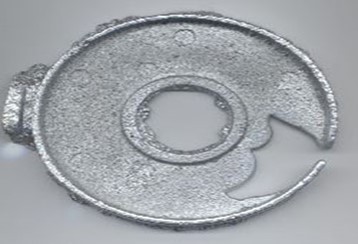
Runout occurs when molten metal leaks out of the mold. As a result, the mold cavity is not completely filled. As a result, you tend to get missing or incomplete cast components. In most cases, the appearance is smooth, but sometimes irregular and rough runouts can occur.
• Faulty mold or die casting machine.
• Accurately design the casting mold.
• Check the mold before casting and replace the defective mold.
• Design the mold using high-quality raw materials that can withstand high temperatures.